Section · 4 pages
Keeping the Sun's Heat Out
Short answer
Keeping sun heat out starts at the roof and the west windows: a cool roof, an attic radiant barrier and exterior shading each block heat before your air conditioner has to remove it.
Swelter Almanac, checked against the sources · updated
The forecast in brief
- In a typical Central Florida house, the attic and its ducts carry 22% of the cooling load (FSEC).
- DOE puts windows at 25–30% of home heating and cooling energy use.
- Cool roofs save 7–15% of total cooling costs on average, per the Cool Roof Rating Council.
- An attic radiant barrier saves about 8–12% of cooling costs in hot climates (FSEC; DOE Building America).
- Two west trees and one east tree cut cooling energy 10–50% in USDA Forest Service modeling.
- The ENERGY STAR label for roofs ended June 1, 2022; windows still carry it, with an SHGC cap of 0.23 in the South.
Where does sun heat get into a house?
Most of it comes through the roof and the windows. The Florida Solar Energy Center's breakdown of a typical 1,500-square-foot Central Florida house puts the attic, including heat picked up by the ducts, at 22% of the cooling load, and DOE text on South Carolina's Energy Saver site puts windows at 25–30% of residential heating and cooling energy use.
Roofs take the hardest hit. EPA says conventional roofing can run as much as 66°F hotter than the surrounding air, and a DOE Building America brief puts hot-climate roof surfaces above 160°F. Every degree the roof deck sheds before it reaches the attic is a degree the ducts and ceiling never see, which is why the attic is also central to the hot upstairs problem.
The fixes split into three layers: reflect the sun at the roof surface, block what the deck radiates into the attic, and shade the glass from the outside.
Where the heat comes in, and what blocks it
- 22%Cooling load from the attic and ducts in a Central Florida homeFSEC
- 25–30%Household heating and cooling use linked to glassDOE, via SC Energy Saver
- 66°FHow much hotter than the air a conventional roof can runEPA
- 7–15%Average cooling cost cut from a cool roofCool Roof Rating Council
How does a cool roof keep sun heat out?
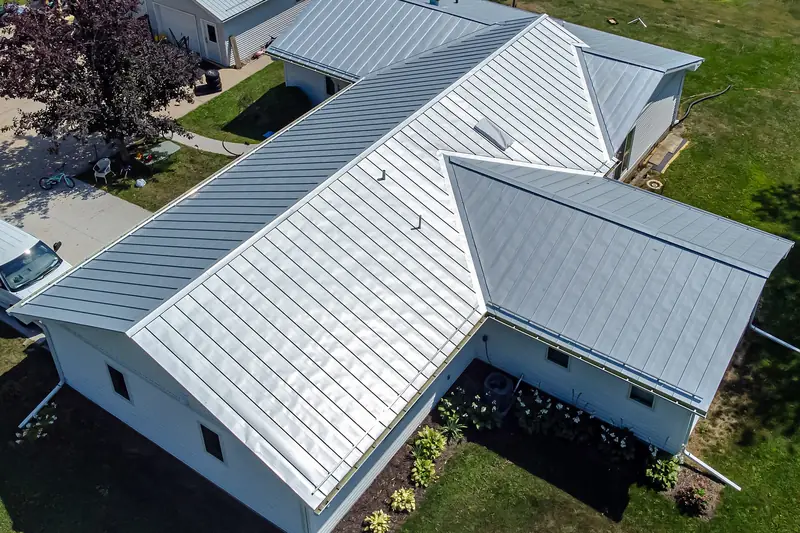
A cool roof reflects sunlight and sheds absorbed heat, so it stays far cooler than a dark one: LBNL's Heat Island Group says a clean white roof reflecting 80% of sunlight runs about 55°F cooler than a 20%-reflective gray roof. The Cool Roof Rating Council rates products on solar reflectance and thermal emittance and puts typical savings at 7–15% of total cooling costs.
Cool roofs come in more than white. Cool-colored shingles, metal and tile look like ordinary roofing while reflecting more of the invisible near-infrared part of sunlight. On flat roofs, liquid-applied reflective coatings are a common route, and EPA notes they need periodic cleaning to keep working.
Is a radiant barrier worth it?
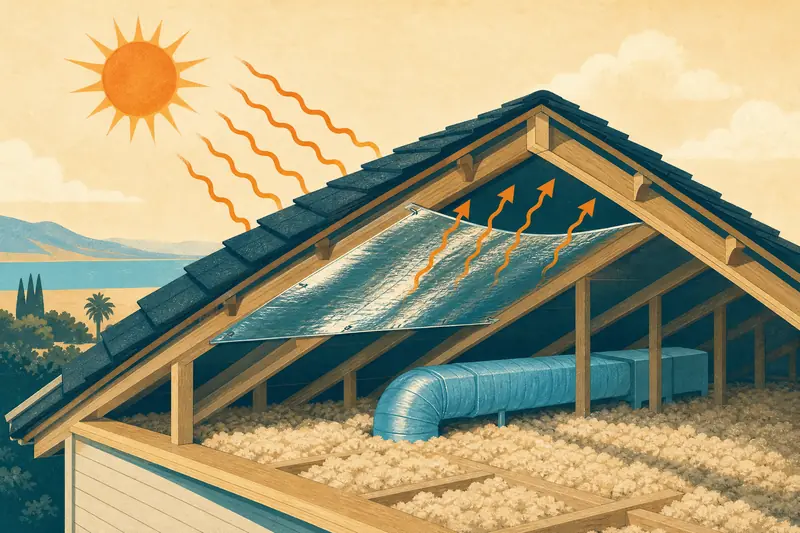
In a hot climate, usually yes: FSEC and DOE Building America both put an attic radiant barrier at about 8–12% of annual cooling costs, with the biggest gains where ducts or the air handler sit in the attic. The foil blocks 95% of the heat a hot roof radiates downward, according to FSEC's radiant barrier Q&A.
It earns less in an attic already insulated to R-30 or better, and it fails when sheet foil is laid on top of the insulation, where dust dulls it. Hung under the rafters, foil facing down, FSEC says it keeps working over the life of the installation. FSEC's attic research (FSEC-GP-171-00) puts it alongside thicker insulation and a white roof, ahead of powered attic fans, which the whole-house fan and attic fan page explains.
Which window shading keeps the most sun heat out?
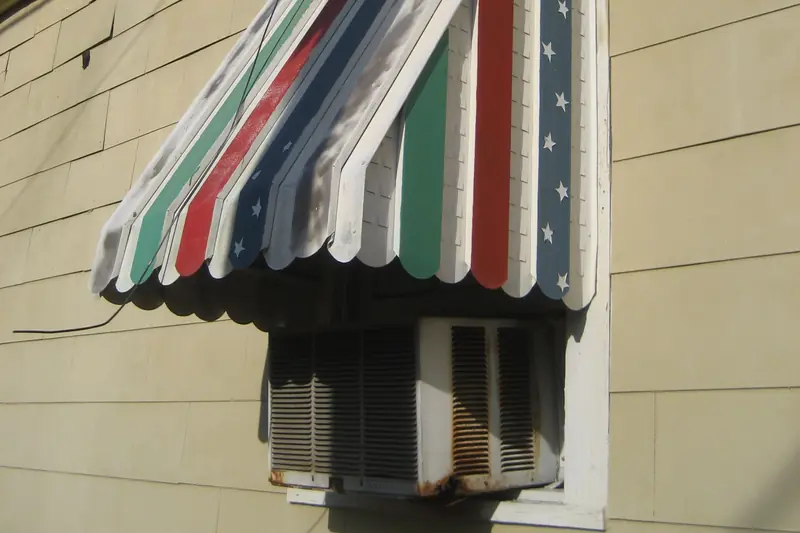
Exterior shading keeps out the most, because it stops the sun before it passes through the glass; DOE's Energy Saver text says to install exterior shades whenever possible and to put awnings on south- and west-facing windows. Solar screens, awnings and shade trees all work this way.
West windows come first. The USDA Forest Service found trees shading the west side gave the largest savings in every climate zone it modeled, and that three trees, two west and one east, cut cooling energy by 10 to 50 percent. For new glass, ENERGY STAR's Version 7 specification caps the solar heat gain coefficient (SHGC) at 0.23 in the Southern and South-Central zones.
| Measure | Published result | Works best when |
|---|---|---|
| Cool roof | 7–15% of total cooling costs (CRRC) | Reroofing or recoating anyway; long cooling season |
| Radiant barrier | About 8–12% of cooling costs, hot climates (FSEC; DOE Building America) | Ducts in the attic; insulation below R-30 |
| Shade trees | 10–50% of cooling energy, three trees (USDA) | Planted on the west, then east |
| Low-SHGC windows | SHGC 0.23 or lower for ENERGY STAR in the South | Replacing windows, especially west and east |
| Exterior shades and awnings | Ranked best by DOE (no confirmed percentage) | South- and west-facing glass |
Which fix should come first?
Start with what is cheapest and fastest for your house: interior blinds and curtains closed on sunny windows today, exterior screens or awnings on the west side next, then the attic, then the roof when it is due. ENERGY STAR's room unit sizing shows why sun matters even at small scale: a very sunny room needs 10% more cooling capacity, a heavily shaded one 10% less.
Climate shapes the rest. In dry desert heat, cool nights let you open up after sunset and close the house by day; in humid Gulf Coast heat, keeping sun and moisture out matters together. Shade and roofs lower the load, but they do not make a house safe in a heat wave by themselves; heat safety at home covers when to leave for somewhere cooler.
How this page was put together
This hub summarizes the three Shade and roofs pages, which draw on FSEC radiant barrier and attic research, DOE Building America, the LBNL Heat Island Group, the Cool Roof Rating Council, EPA heat island pages, DOE guidance republished by South Carolina's Energy Saver site, ENERGY STAR's window and room air conditioner pages, NFRC and two USDA Forest Service shade tree studies, read in October 2026. Left out: DOE percentages for drapes, awnings and cool roofs that could not be read on a live primary page, product brands and prices.
More questions
Should I get a cool roof or a radiant barrier?
If the roof is due for replacement or recoating, that is the moment to choose a product with a good cool roof rating, since the work is happening anyway. If the roof has years left, a radiant barrier under the rafters is the attic-side fix; FSEC prefers either one, along with insulation, to a powered attic fan.
Do these measures help in humid climates as much as dry ones?
They block solar heat the same way in both, and most of the radiant barrier and window research cited here comes from Florida. Humidity is a separate load that shade does not touch.
What is the quickest thing to do this week?
Close white or light blinds and curtains on south- and west-facing windows during the day, as DOE's guidance suggests. It costs nothing and works the same afternoon.
Are ENERGY STAR roofs still sold?
No roof has carried the ENERGY STAR label since June 1, 2022. Compare roofing by its Cool Roof Rating Council rating instead.
Can I use more than one of these at once?
Yes. Roof reflectance, attic foil, insulation and window shading block heat at different points, and the savings figures for each come from separate studies, so do not add their percentages together.
Does attic ventilation keep sun heat out?
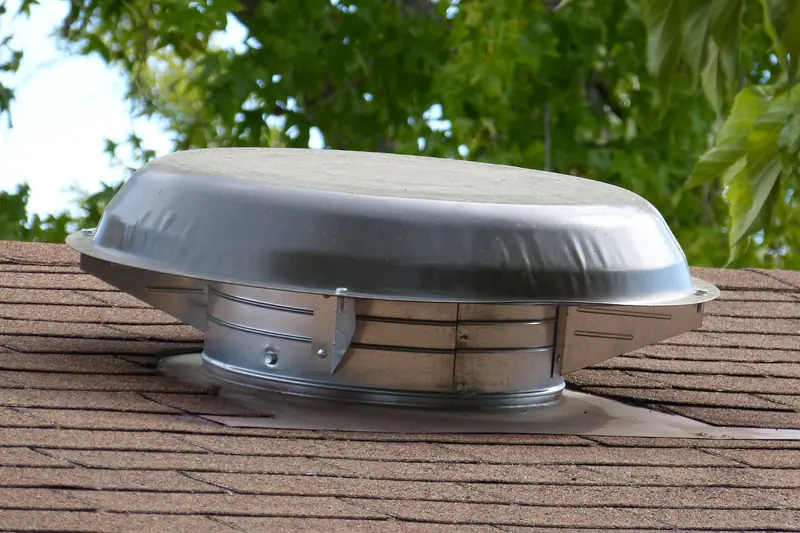
Vents move hot attic air out, and building codes set minimum vent areas, but FSEC research ranks insulation, a radiant barrier and a reflective roof ahead of powered ventilation for cutting attic heat.

Back to every section of the almanac