Section · 4 pages
Heat Safety at Home
Short answer
Heat safety at home comes down to four habits: watch the NWS heat index, learn the signs of heat exhaustion and heat stroke, check on people at risk, and move to air conditioning early.
Swelter Almanac, checked against the sources · updated
The forecast in brief
- Ready.gov says extreme heat causes the most yearly deaths of any weather hazard.
- The NWS Danger band starts at a heat index of 103°F; Extreme Danger starts at 125°F (NWS Amarillo).
- Heat stroke can push body temperature to 106°F or higher within 10 to 15 minutes (CDC/NIOSH).
- People 65 and older, young children and anyone with a chronic illness face the greatest risk (Ready.gov).
- Above 90°F indoors, a fan can raise body temperature instead of lowering it (CDC).
- Dialing 2-1-1 is the CDC's suggested route to the nearest air-conditioned place.
Heat illness rarely arrives without warning. The forecast flags the dangerous days, the body shows early signs, and the fix is almost always the same: get cooler, drink water, and get help fast when someone becomes confused. This hub gathers Swelter Almanac's heat-health pages, all built on CDC, Ready.gov and National Weather Service wording.
What does the heat index tell you?
The heat index tells you how hot the air feels once humidity is added, and the NWS ranks it from Caution to Extreme Danger. Using the NWS heat index equation, 90°F air at 70% relative humidity comes out near 106°F, inside the Danger band where heat cramps or heat exhaustion become likely with prolonged exposure. Values assume shade; direct sun can add up to 15°F.
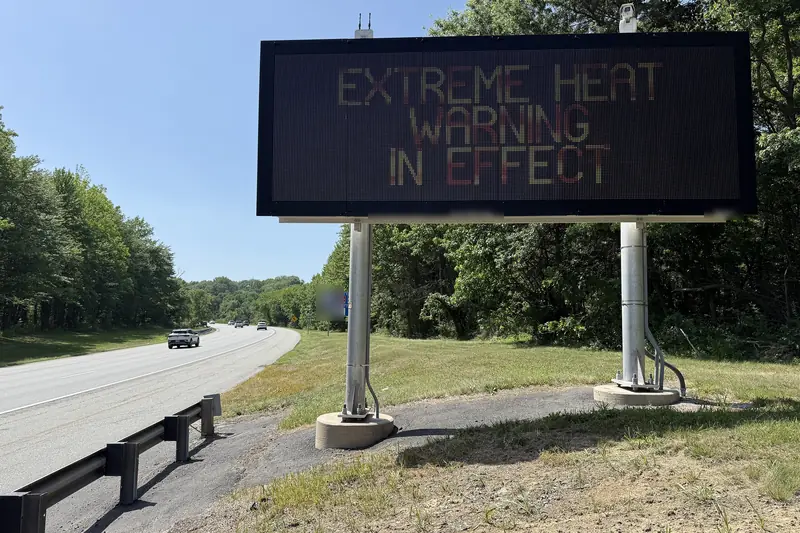
For a forecast in plain terms, the CDC HeatRisk Dashboard takes a zip code and returns a risk level from Minor to Extreme. Watch for NWS Heat Advisories and Extreme Heat Warnings, which use local criteria.
| Band | Heat index | What NWS says can happen with prolonged exposure or activity |
|---|---|---|
| Caution | 80°F to 90°F | Fatigue possible |
| Extreme Caution | 90°F to 103°F | Heat stroke, heat cramps or heat exhaustion possible |
| Danger | 103°F to 124°F | Heat cramps or heat exhaustion likely; heat stroke possible |
| Extreme Danger | 125°F or higher | Heat stroke highly likely |
How do you spot heat exhaustion and heat stroke?
Heavy sweating with weakness and nausea points to heat exhaustion; confusion, slurred speech or collapse points to heat stroke, which is a 911 emergency. Ready.gov lists a body temperature above 103°F as a heat stroke sign. For heat exhaustion, move to a cooler place, loosen clothing and sip water, and call a health care provider if symptoms get worse or last more than an hour.


Who is most at risk indoors?
Older adults, children and people with certain illnesses and chronic conditions are most at risk, according to Ready.gov, and the CDC adds anyone taking medicines that affect sweating or temperature control. The CDC page for adults 65 and older says older bodies adjust less well to sudden temperature changes. Caregivers should visit at least twice a day during heat.


When do fans stop helping?
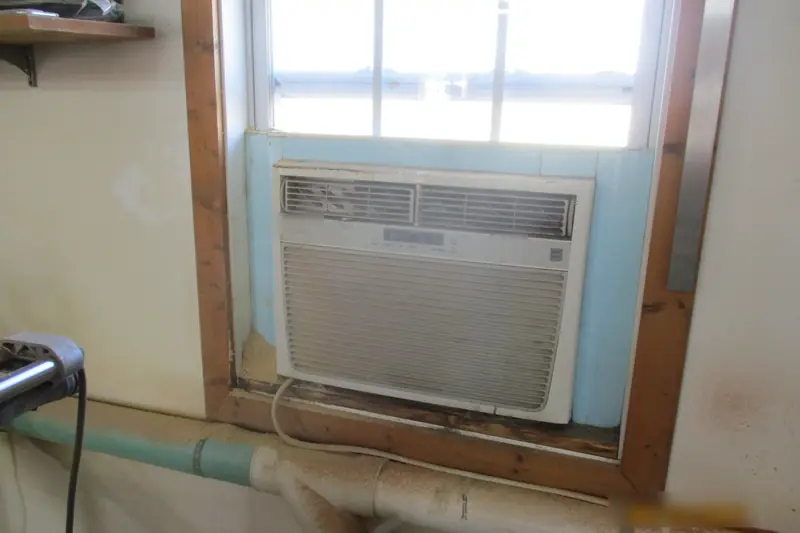
A fan quits being useful once the room passes 90°F, and from there on, CDC guidance warns, moving air can push your temperature up. The NWS says not to point a portable fan at yourself when room temperature is above 90°F; use it to exhaust hot air from the room instead. Ready.gov warns that fans give a false sense of comfort without lowering body temperature.
Below that line, a ceiling fan is cheap help. The moving air section explains how a fan's wind-chill effect lets you raise the thermostat without feeling it.
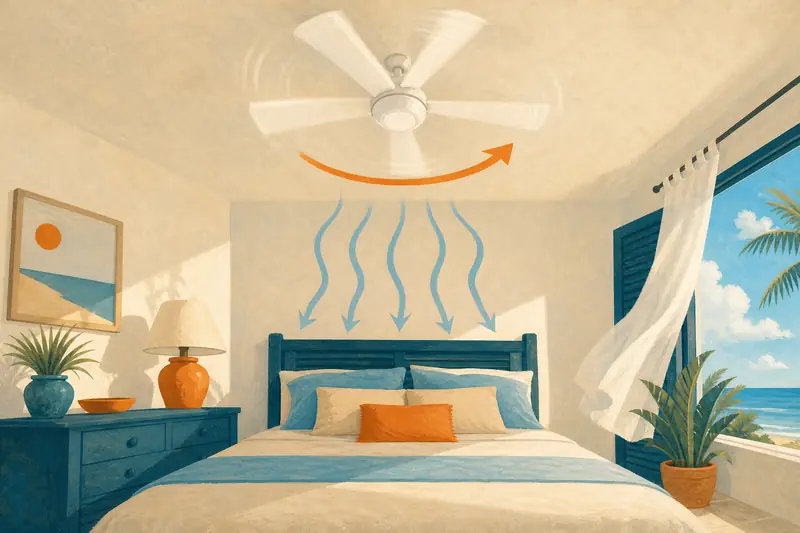 Moving airCeiling fan direction in summer
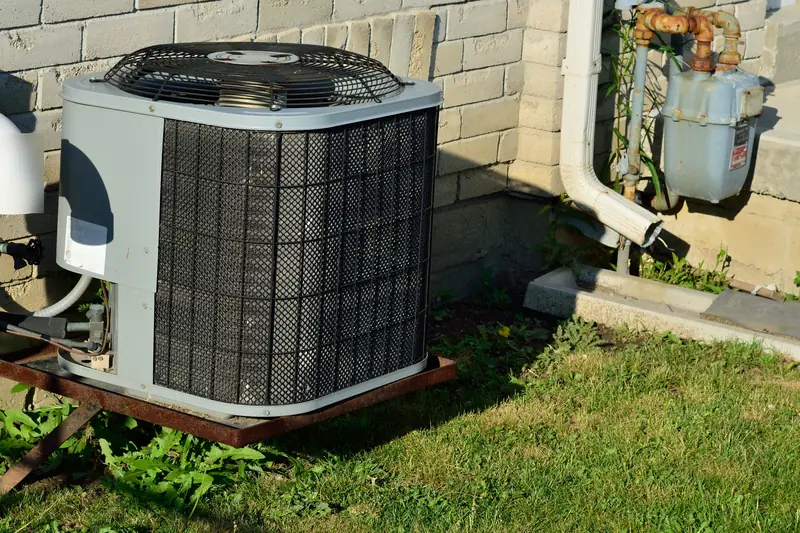 SectionRunning central A/C in extreme heat
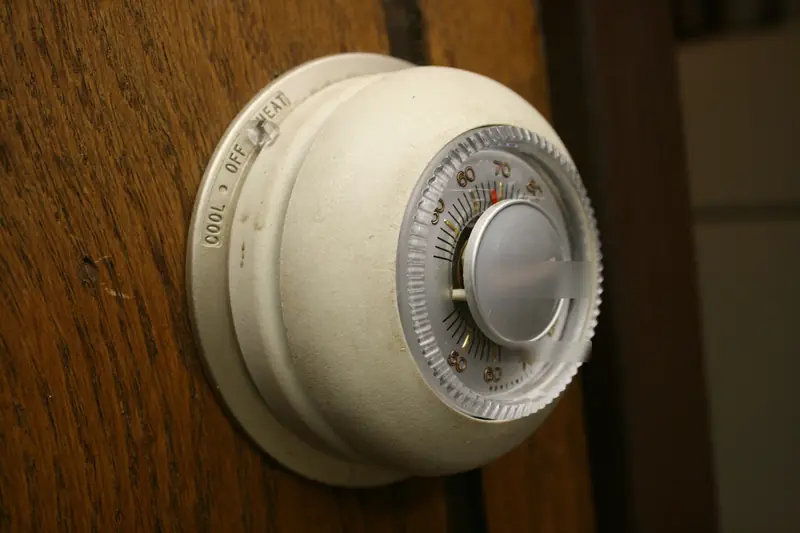 A/C in extreme heatThermostat settings for hot summers
Heat health in figures
- 103°FHeat index where the NWS Danger band beginsNWS
- 106°FBody temperature heat stroke can reach in 10 to 15 minutesCDC/NIOSH
- 90°FIndoor temperature above which a fan can heat you upCDC
- 2x a dayMinimum visits to an older adult during heatCDC
- 200+Heat relief sites on Maricopa County's 2026 mapMaricopa County
Where can you go to cool off?
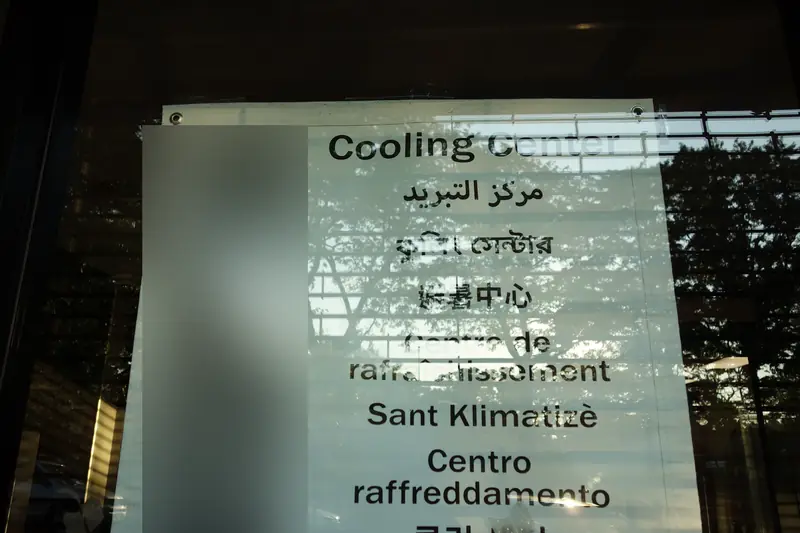
A cooling center, library or other air-conditioned public building is the answer when home is too hot, and 2-1-1 or your local health department can name the closest one. Ready.gov suggests libraries and shopping malls. Arizona and Texas both run state or regional heat-relief maps, covered on the cooling centers page.


How this page was put together
Built from the NWS heat index table (Amarillo office) and equation, CDC heat-health and NIOSH heat-stress pages (2024 to 2026), Ready.gov's extreme heat page and Maricopa County's April 2026 Heat Relief Network notice, read in October 2026. Medical advice is limited to what those agencies publish. Forum posts and unverified home remedies were left out.
More questions
Is heat cramping a sign of something worse?
It can be. CDC/NIOSH lists muscle cramps and spasms as heat cramps and says to get medical help if they last more than an hour, or if the person has heart problems or follows a low-sodium diet. It also advises against salt tablets.
Do I need a thermometer at home in summer?
A cheap indoor thermometer is the simplest way to know when you have crossed the CDC's 90°F fan cutoff. One that also reads humidity helps in Gulf Coast homes, where clammy air makes heat harder on the body.
What is the difference between a Heat Advisory and an Extreme Heat Warning?
Both come from the National Weather Service. An Extreme Heat Warning signals more dangerous conditions; its text urges people to stay inside with air conditioning for as many hours as they can, overnight too.
Can pets stay in a parked car for a few minutes?
No. Ready.gov says never to leave people or pets in a closed car on a warm day. Asphalt and dark pavement can also burn a pet's paws.
Who should I check on during a heat wave?
Start with neighbors and relatives who live alone, are over 65, or have a chronic illness. The CDC asks caregivers to make sure they are drinking enough water, have air conditioning, and know how to keep cool.
Does heat illness only happen outdoors?
No. A home without working cooling can become dangerous, especially upstairs and in rooms facing west. That is why the CDC's advice centers on reaching air conditioning, not just staying out of the sun.
Back to the Swelter Almanac front page