Staying Cool When the Heat Index Climbs
Staying cool in extreme heat across the Sun Belt starts with the heat index and the cheap moves (shade, fans, a sensible thermostat), and switches to air conditioning or a cooling center once indoor air passes 90°F.
Swelter Almanac, checked against the sources · updated
| Air temp ↓ Humidity → | 40% | 50% | 60% | 70% | 80% |
|---|---|---|---|---|---|
| 80°F | 80° Caution | 81° Caution | 82° Caution | 83° Caution | 84° Caution |
| 86°F | 85° Caution | 88° Caution | 91° Extreme Caution | 95° Extreme Caution | 100° Extreme Caution |
| 90°F | 91° Extreme Caution | 95° Extreme Caution | 100° Extreme Caution | 106° Danger | 113° Danger |
| 96°F | 101° Extreme Caution | 108° Danger | 116° Danger | 126° Extreme Danger | off chart Extreme Danger |
| 100°F | 109° Danger | 118° Danger | 129° Extreme Danger | off chart Extreme Danger | off chart Extreme Danger |
- XD Extreme Danger 125°F+
- D Danger 103°F–124°F
- EC Extreme Caution 90°F–102°F
- C Caution 80°F–89°F
Heat safety
The signs of heat exhaustion and heat stroke, who is most at risk indoors, and where to go when the house is too hot.
Open the heat safety section

A/C in extreme heat
Thermostat settings, why a system falls behind on the worst afternoons, safe checks, and a plan for a breakdown.
Open the a/c in extreme heat section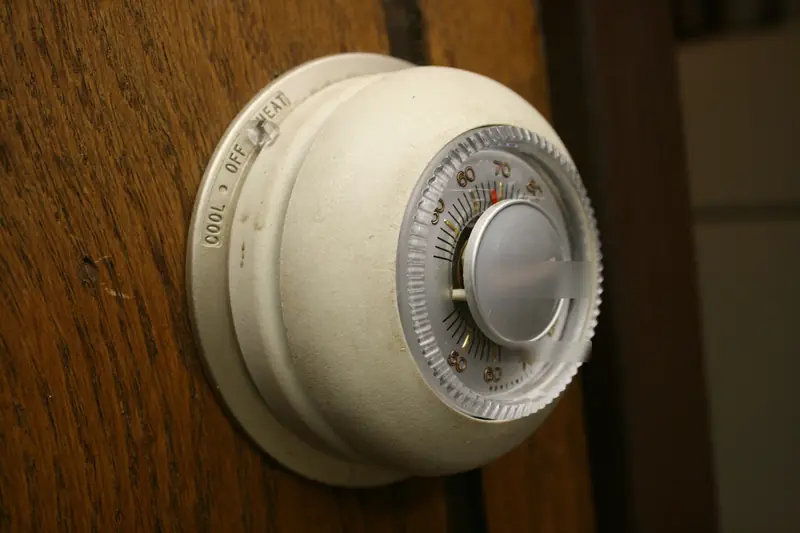
Moving air
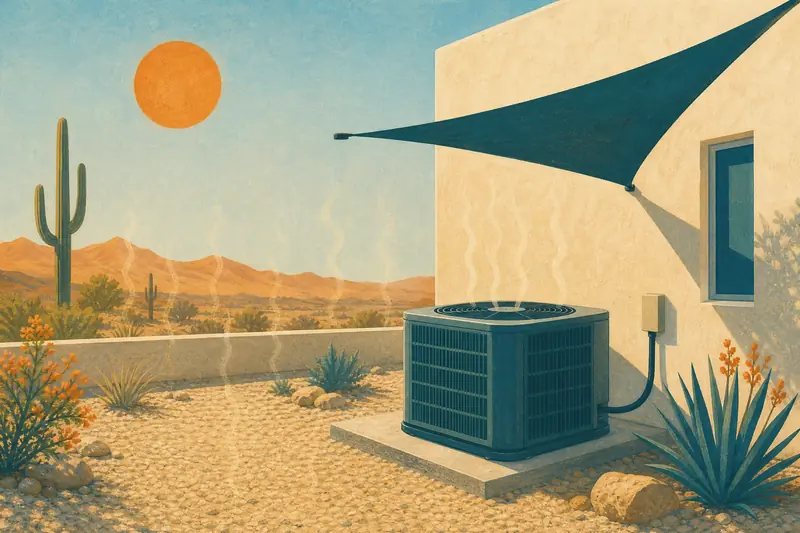
Ceiling fans, whole-house fans, attic ventilation and night air, with the climates where each one earns its keep.
Open the moving air section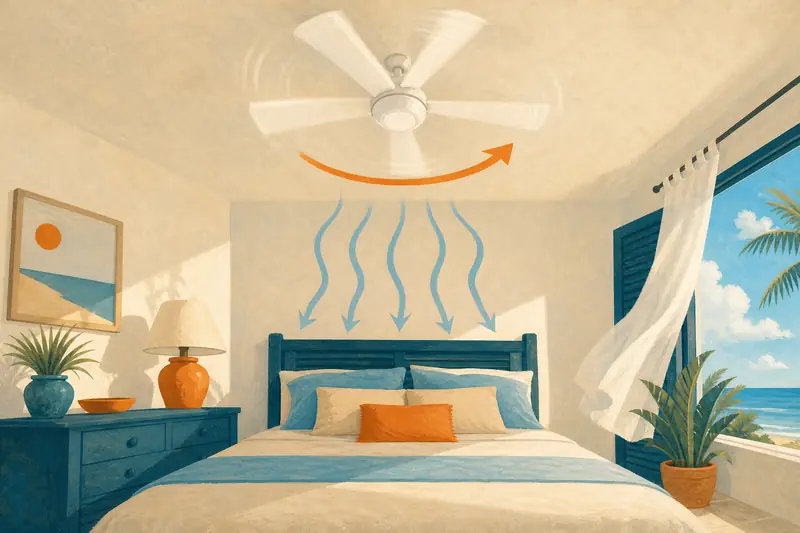
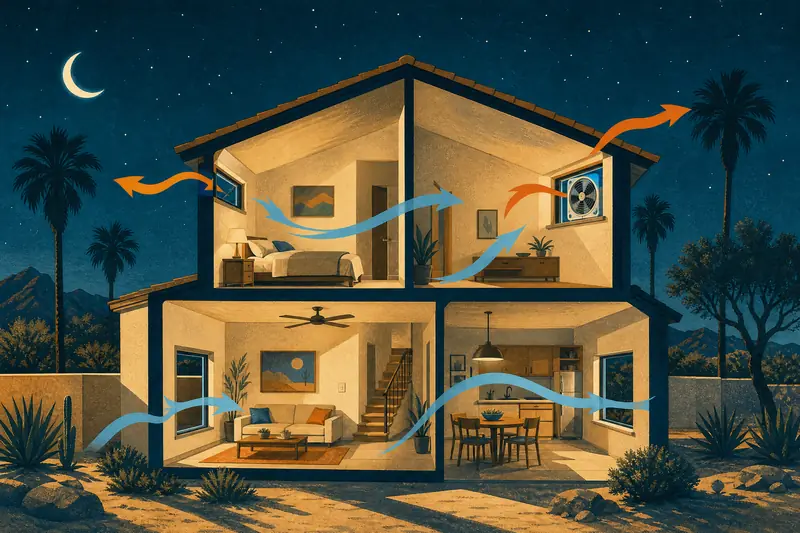
Dry heat
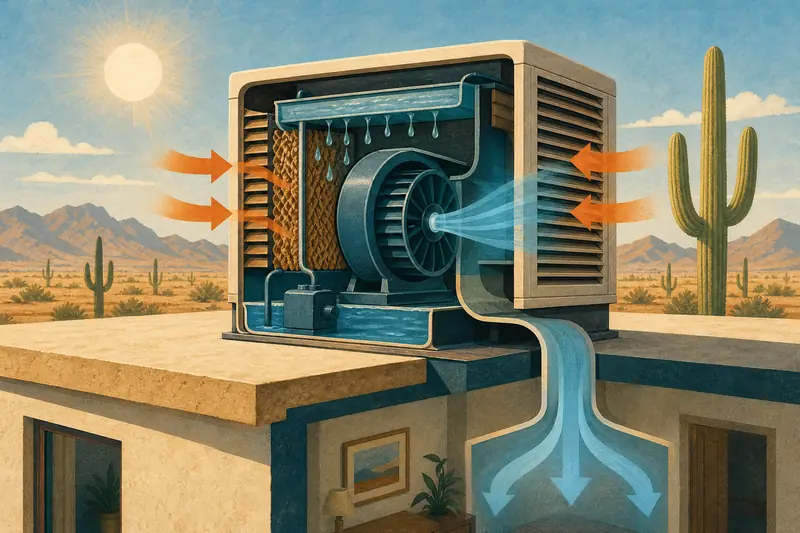
Evaporative coolers in the desert Southwest: how they work, when monsoon humidity stops them, and their water.
Open the dry heat section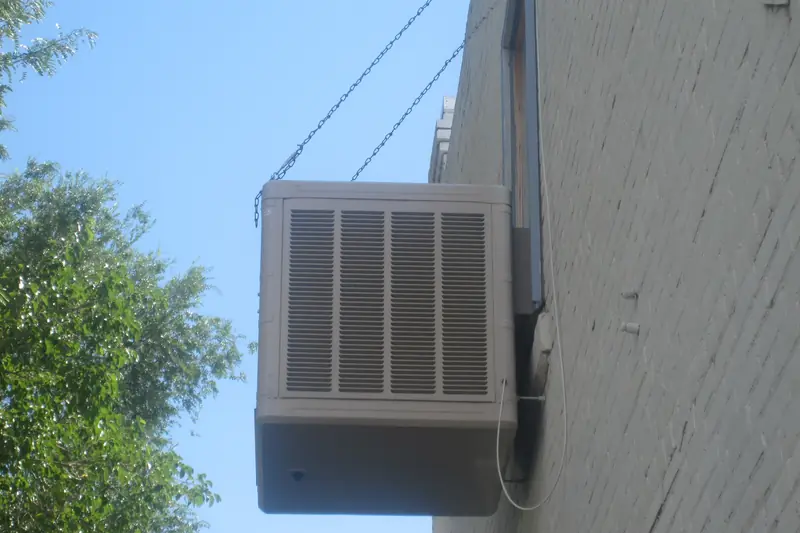
Humid heat
Gulf Coast and Southeast summers, where moisture matters as much as temperature: humidity targets and dehumidifiers.
Open the humid heat section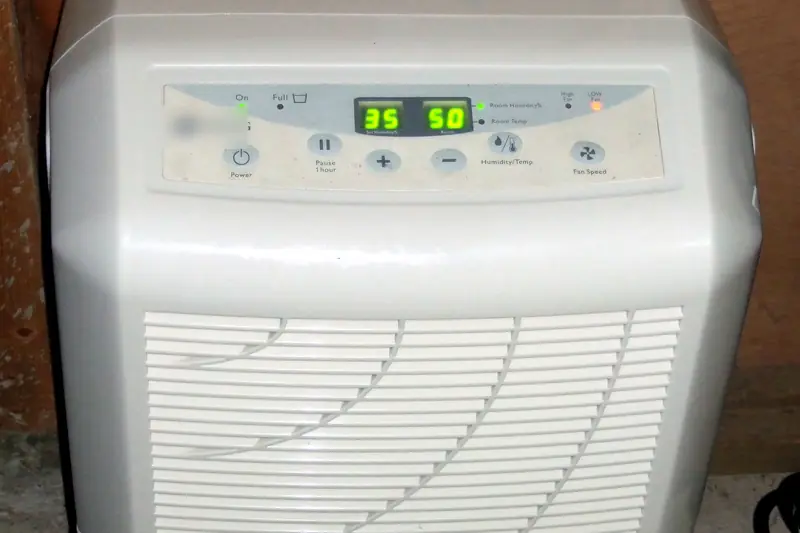
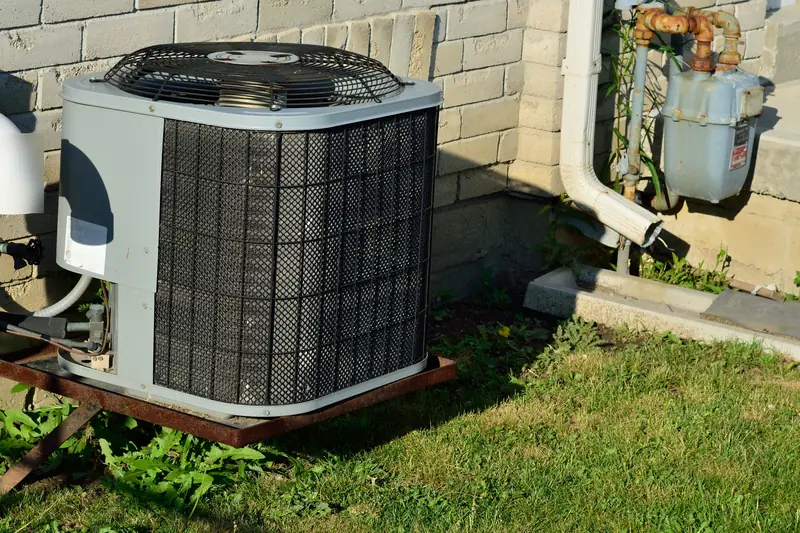
Room cooling
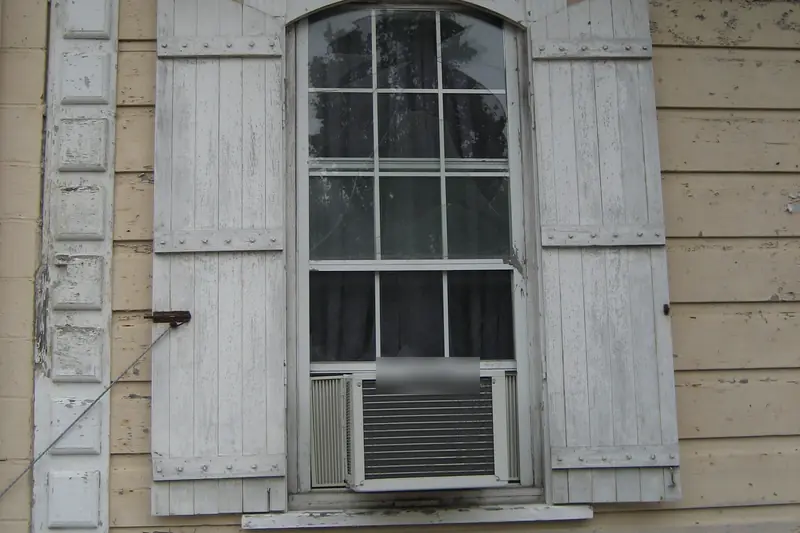
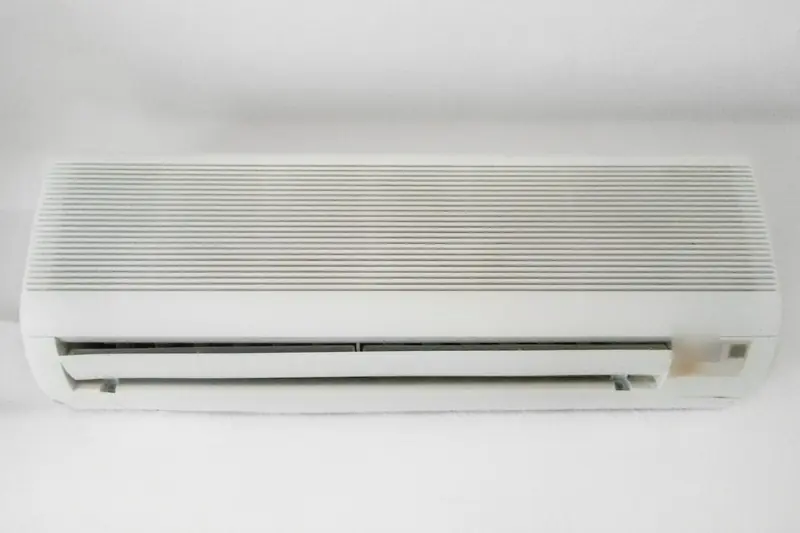
Window units, portable units and ductless mini-splits for one hot room, sized with the ENERGY STAR chart.
Open the room cooling section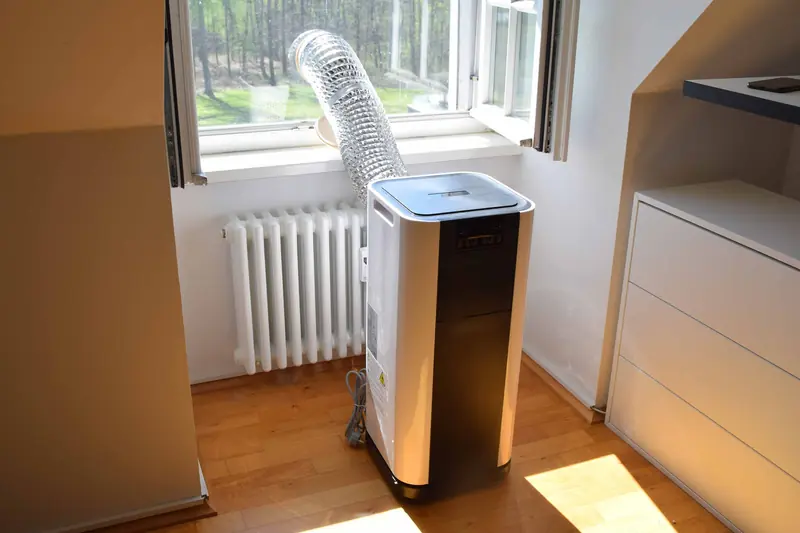

Shade and roofs
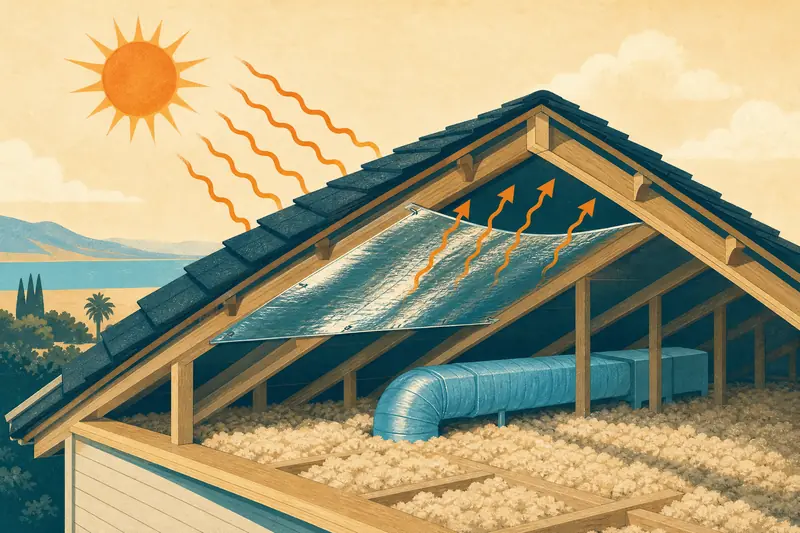
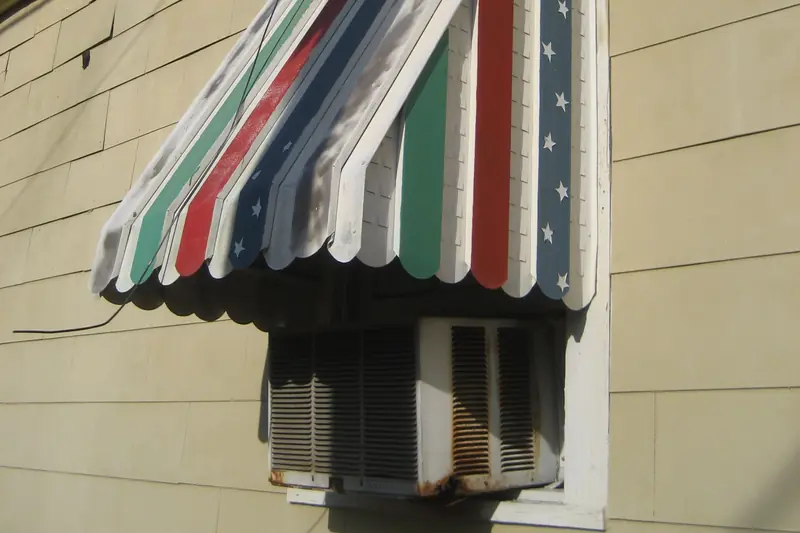
Cool roofs, radiant barriers and window shading that stop the sun's heat before the A/C has to remove it.
Open the shade and roofs section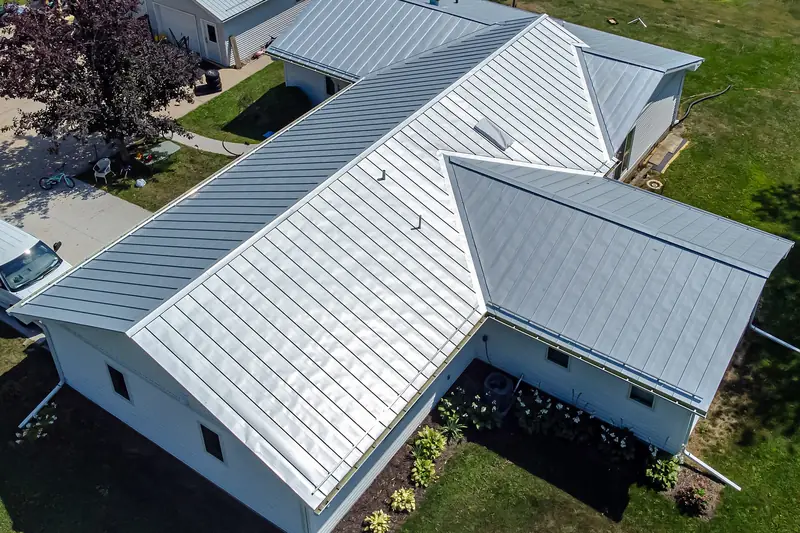

The forecast in brief
- The National Weather Service calls a heat index of 103°F to 124°F "Danger"; 90°F air at 70% humidity already feels like about 106°F.
- Fans stop being safe as your main cooling once indoor air tops 90°F, according to the CDC; dial 2-1-1 to find air conditioning.
- 78°F is an ENERGY STAR starting point for the thermostat when you're home in summer, and a ceiling fan lets you raise it about 4°F.
- Dry desert heat and humid Gulf heat need different tools: evaporative coolers and night air in one, moisture control in the other.
- The EPA wants indoor humidity below 60 percent, ideally 30 to 50.
- A body temperature above 103°F is a heat stroke warning sign: call 911 (Ready.gov).
Swelter Almanac covers the Sun Belt: the desert Southwest, Texas, Florida, the Gulf Coast and the Southeast. Every answer splits by climate, because a trick that cools a Tucson house can make a Houston house clammy. The order is cheapest first: shade, fans and settings, then equipment, then keeping people safe when the heat wins.
What does the heat index mean for staying cool at home?
The heat index is how hot the air feels once humidity is counted, and the National Weather Service sorts it into four bands. NWS Amarillo's table runs Caution from 80°F to 90°F, Extreme Caution from 90°F to 103°F, Danger from 103°F to 124°F and Extreme Danger at 125°F or higher. The grid above uses the NWS equation, so 96°F at 50% humidity lands at about 108°F, already in the Danger band.
Those values assume shade and a light wind. The NWS heat index page says full sunshine can add up to 15°F, which matters for anyone working on a roof or walking to a bus stop. The heat safety hub explains what each band means for your body.
Which cooling works in dry heat, and which in humid heat?
Dry heat favors evaporation and night air; humid heat favors anything that pulls moisture out. In Arizona, University of Arizona Cooperative Extension bulletin AZ9145 says evaporative coolers work well except during the few humid weeks of the summer monsoon, when many homes switch to air conditioning. The dry heat section and its page on swamp coolers versus A/C cover water use and pad care.
Along the Gulf Coast the story flips. In a Florida Solar Energy Center test house, a fan pulling in night air cooled the house 3°F to 6°F, yet indoor humidity rose from 74% to 83%, and only about 2% of Orlando summer hours were cool and dry enough to use (FSEC). That is why the humid heat section leans on dehumidifiers and correctly sized A/C instead.
| Tool | Dry heat (desert Southwest, West Texas) | Humid heat (Gulf Coast, Florida, Southeast) | Source |
|---|---|---|---|
| Evaporative cooler | Works well outside monsoon weeks | Poor fit: humid air stops evaporation | UA Extension AZ9145; Mississippi State Extension |
| Whole-house fan or night flushing | Works on cool nights | Only in spring and fall; summer nights add moisture | DOE Building America; FSEC |
| Dehumidifier | Rarely needed | Often needed to stay under 60% | EPA; ENERGY STAR |
| Ceiling fan with the thermostat raised | Helps | Helps | DOE text via energysaver.sc.gov |
| Shade trees on the west side | Helps | Helps | USDA Forest Service |
How do you cut cooling costs in extreme heat without suffering?
Start with the thermostat and moving air, then block the sun. ENERGY STAR calls 78°F a typical setting when you are home, and DOE wording preserved on South Carolina's Energy Saver site says a ceiling fan lets you raise the setting about 4°F with no loss of comfort. The catch: the savings only show up if you actually turn the thermostat up and switch fans off in empty rooms. The thermostat settings page and the ceiling fan direction page have the details.
Next, stop the heat at the roof and windows. FSEC puts attic radiant barriers at about 8 to 12 percent of cooling costs in hot climates, and the USDA Forest Service found that three well-placed trees cut annual cooling energy 10 to 50 percent. By ENERGY STAR's estimate, typical duct systems leak away 20 to 30 percent of what the blower pushes. The shade and roofs section ranks the options.
What the numbers say
- 30–50%Ideal indoor relative humidityEPA
- 20–30%Air lost through typical duct leaksENERGY STAR
- 8–12%Cooling cost cut from an attic radiant barrier, hot climatesFSEC
- 10–50%Cooling energy saved by three shade treesUSDA Forest Service
- 7.6 galAverage swamp cooler water use per operating hour, PhoenixUA Extension AZ9145

What should you do when the A/C fails in extreme heat?
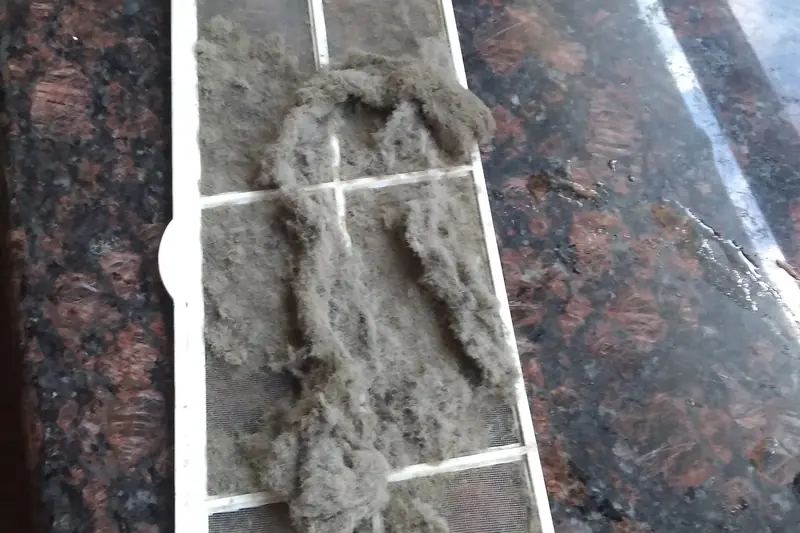
Move people first and fix the machine second. If indoor air is climbing past 90°F, the CDC says a fan can raise body temperature, so get older adults, babies and anyone ill to an air-conditioned place; dialing 2-1-1 finds one. The safe homeowner checks are short: the thermostat setting and batteries, the filter, and a tripped breaker reset once. If it trips again, stop. If you're unsure, call a licensed technician.
Refrigerant is never a homeowner job: the EPA limits its sale to Section 608 certified technicians. If the power is out and a generator comes out, it runs outdoors only, at least 20 feet from the house, never in a garage even with the door open (CPSC). The breakdown plan walks through the first hours, and when the A/C can't keep up explains the difference between a design limit and a fault.
Who is most at risk indoors in extreme heat?
Adults 65 and older, young children and people with chronic illness carry the most risk, and Ready.gov names all three groups. The CDC adds that older adults are more likely to take prescription medicines that interfere with sweating or temperature control. Common examples are diuretics, anticholinergic drugs and some psychiatric medicines, but nobody should stop or change a medicine without talking to a doctor.
The single most useful habit is a visit. The CDC wants caregivers to see an older relative or neighbor in person no fewer than two times daily while the heat lasts. The older adults page has a check-in list, and the illness signs page separates heat exhaustion from heat stroke.
Where can you go to cool off?
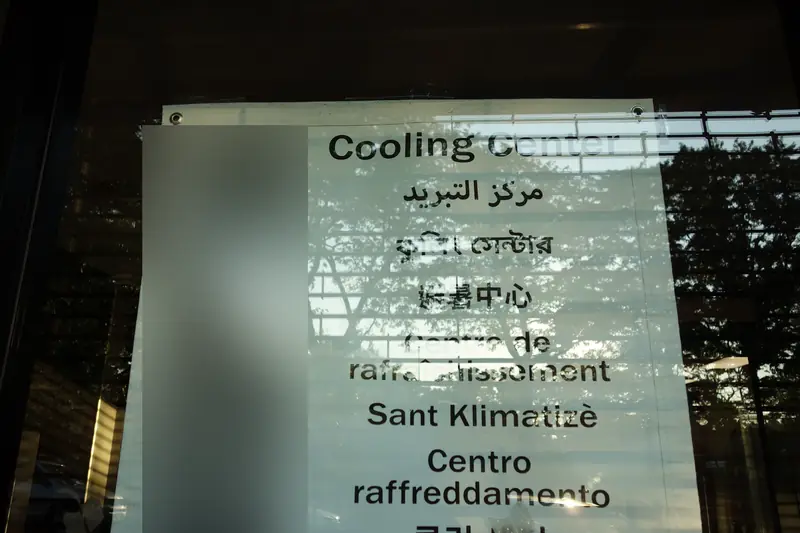
Dial 2-1-1 or call your local health department; both can point you to a cooling center or other air-conditioned public space. Ready.gov names libraries and shopping malls as everyday options. In Maricopa County, Arizona, the 2026 Heat Relief Network listed more than 200 sites, from indoor cooling centers to hydration stations, on its online map.
The cooling centers page covers how to find one in Texas, Florida and the desert Southwest, what to bring, and what to do if you cannot get there. When the NWS issues an Extreme Heat Warning, its advice is to spend as much time as you can, nights included, somewhere air-conditioned.
How this page was put together
This page draws on the National Weather Service heat index table and equation, CDC heat-health pages (2024 to 2026), Ready.gov, ENERGY STAR, EPA, the Florida Solar Energy Center, the USDA Forest Service, University of Arizona Cooperative Extension bulletin AZ9145 and DOE text hosted by the South Carolina Office of Regulatory Staff, all read in October 2026. DOE's own Energy Saver web pages were offline that month, so figures that existed only there were left out. No forum posts, product tests or price quotes were used.
More questions
Is 78°F the official thermostat setting?
No agency requires it. ENERGY STAR uses 78°F as a typical comfortable setting when you are home in summer, and DOE's current guide says to set it as high as is comfortable. A ceiling fan lets most people go higher without noticing.
Can a swamp cooler work in Houston or Miami?
Not well in summer. Evaporative coolers depend on dry air, and Mississippi State Extension notes they become practically useless when humidity is very high. Gulf Coast homes do better with air conditioning and humidity control.
Does the heat index apply indoors?
The NWS built the heat index for outdoor shade with a light wind. It still shows why humid rooms feel worse than the thermometer says, but indoor safety decisions should lean on the CDC's 90°F fan cutoff and how people actually feel.
What is the cheapest way to keep a house cooler?
Block the sun before it gets in and move air over people. West-side shade, closed blinds on sunny windows and ceiling fans with the thermostat raised cost little. Sealing leaky ducts often comes next.
When does a heat wave count as extreme heat?
Ready.gov describes extreme heat as high heat and humidity with temperatures above 90 degrees for at least two to three days. The NWS issues Heat Advisories and Extreme Heat Warnings for your county when its local criteria are met.
Who pays for cooling if the bill is the problem?
The federal Low Income Home Energy Assistance Program, LIHEAP, can help with cooling bills or an energy crisis, according to usa.gov. In Texas, utilities may not disconnect residential service for nonpayment on days the NWS has a heat advisory out for the county.