Section · 5 pages
Cooling One Room
Short answer
Cooling one room usually means a window unit sized from the ENERGY STAR chart; a portable fits where a window cabinet can't go, and a ductless mini-split suits a room you cool every summer.
Swelter Almanac, checked against the sources · updated
The forecast in brief
- The ENERGY STAR room chart sizes by floor area: its smallest row is 5,000 BTU and its largest, for rooms up to 2,500 square feet, is 34,000 BTU.
- Four adjustments follow: minus 10 percent for heavy shade, plus 10 percent for strong sun, plus 600 BTU per extra regular occupant beyond two, plus 4,000 BTU in a kitchen.
- Single-hose portables draw all their condenser air from the room, and DOE's rating method subtracts the outside air that leaks in as a result.
- A sloppy window installation leaks as much air as a hole of 6 square inches, per ENERGY STAR.
- Mini-split refrigerant connections are regulated work for an EPA Section 608 certified technician (EPA).
- Above 90°F indoors, the CDC says a fan can raise body temperature, so a struggling room unit plus a fan is not enough.
Which machine fits cooling one room?
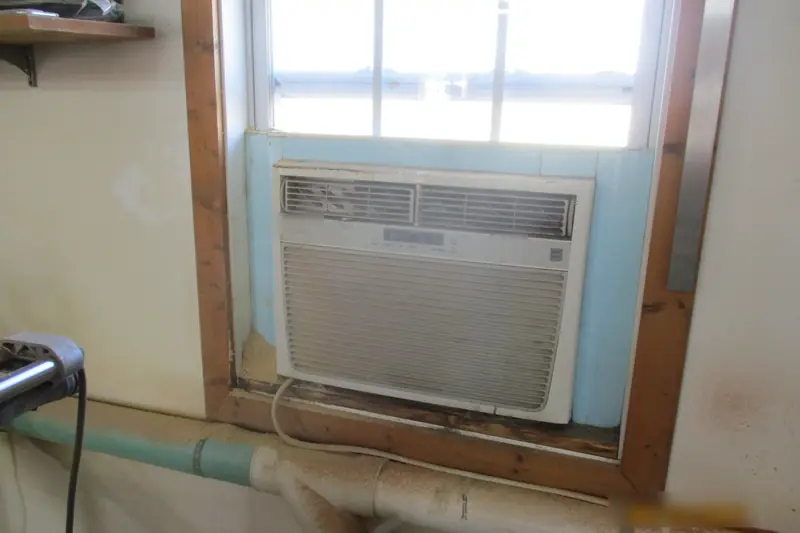
A window unit fits most single rooms with a sliding sash, a portable fits where no cabinet can go, and a mini-split fits a room you plan to cool for years; ENERGY STAR even calls ductless heat pumps a replacement for window units. The deciding questions are the window, the lease, the budget and how many summers you expect to run it.
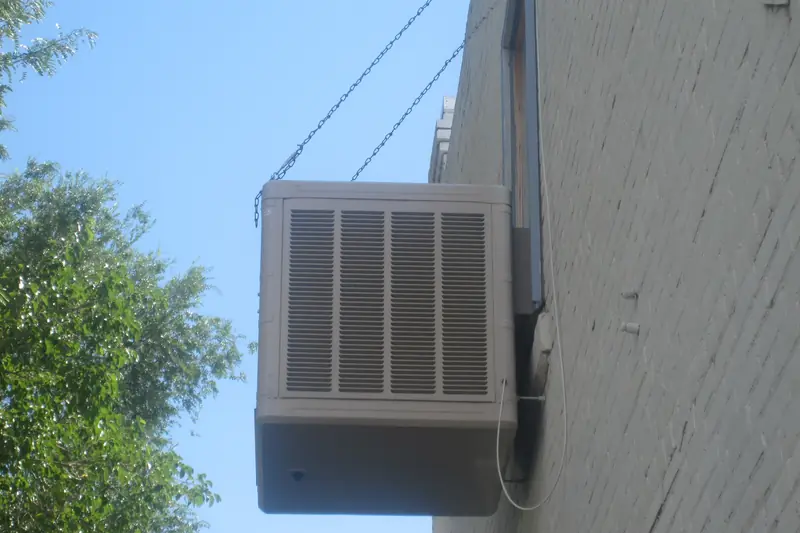
In dry desert heat, an evaporative cooler is a fourth option for the months before the monsoon. In humid Gulf Coast heat, whatever you choose has to dry the air as well as cool it, which is why sizing matters more there.
| Machine | Best fit | Who installs | Watch out for |
|---|---|---|---|
| Window unit | Most bedrooms and offices with a double-hung window | Owner, following the manual | Gaps around the cabinet; level it so it drains |
| Portable unit | Casement windows, rentals, short seasons | Owner, following the manual | Single-hose models pull outside air in |
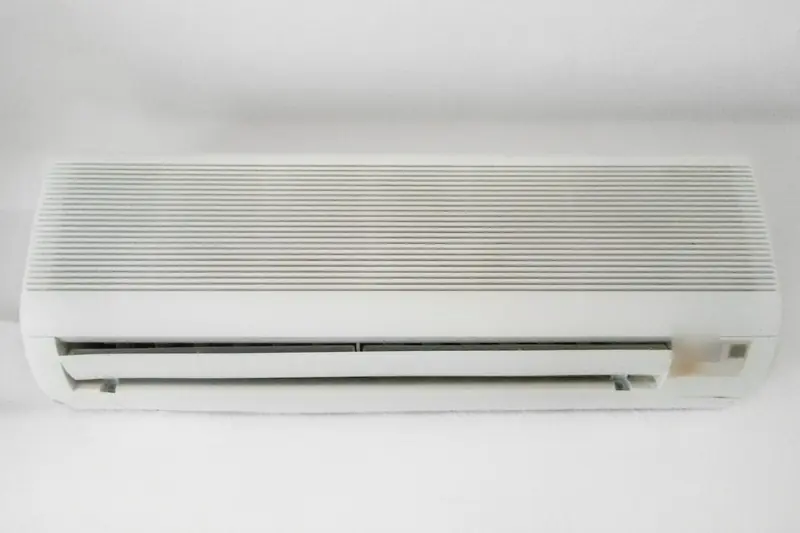
| Ductless mini-split | Rooms over garages, additions, rooms ducts can't reach | Licensed contractor; refrigerant work by an EPA 608 technician | Must be sized by load calculation |
How big a unit does one room need?
A room needs the BTU rating ENERGY STAR's chart gives for its floor area, then the four adjustments: measure length times width, find the row, and change it for sun, shade, people and kitchens. A 280-square-foot bedroom reads 7,000 BTU and becomes 7,700 if it faces the afternoon sun. The chart assumes 8-foot ceilings.
Bigger is not safer. ENERGY STAR says an oversized room unit cools before it can pull out the moisture, leaving the air damp, and in humid heat that clammy feeling is the usual complaint. The full chart, worked examples and the CEER efficiency label are on the sizing page.

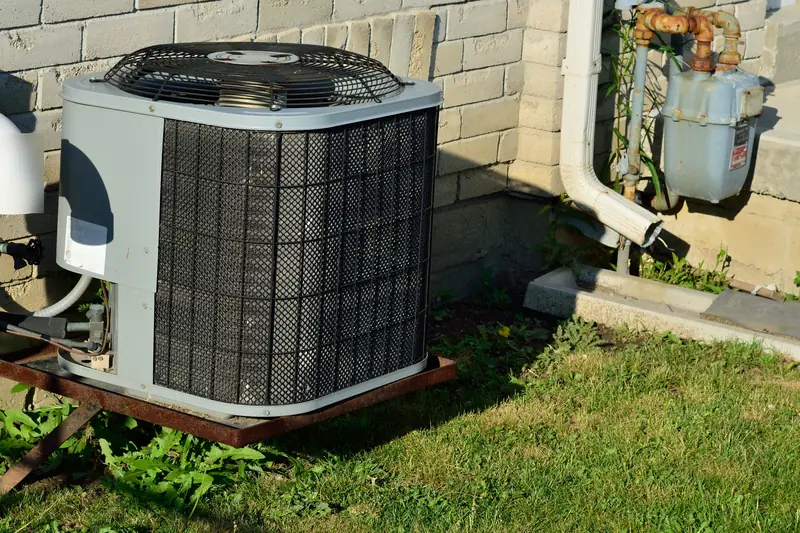
Why are portable units weaker?
Portables, especially single-hose ones, lose cooling because they exhaust room air out the window, which leaves the room under slight suction and draws in hot air from outdoors, attics and crawlspaces, as DOE's portable AC test procedure explains. Dual-hose models take most condenser air from outdoors, so the effect is smaller.
DOE now tests portables at 95°F and 83°F and reports a seasonally adjusted cooling capacity (SACC) that already counts that leakage. Comparing portables by SACC is fair; comparing a portable's number with a window unit's is not, because they come from different tests.
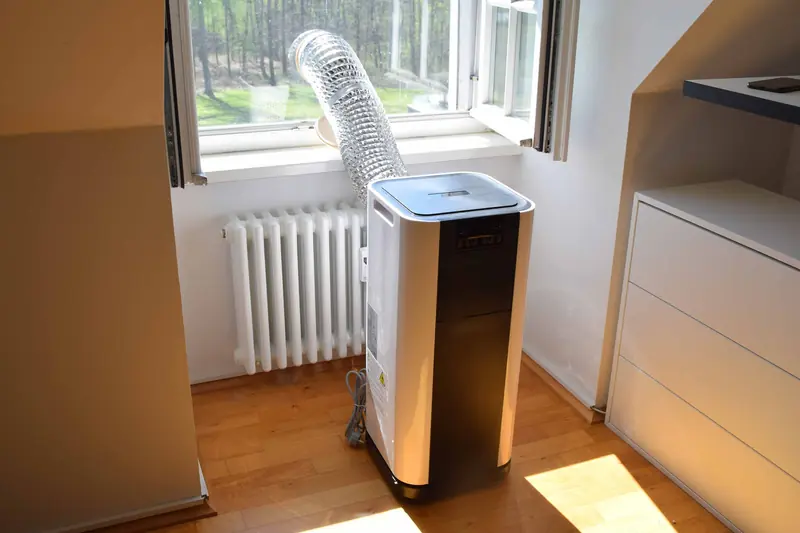 Room coolingSingle-hose vs dual-hose, and when a portable is the only choice
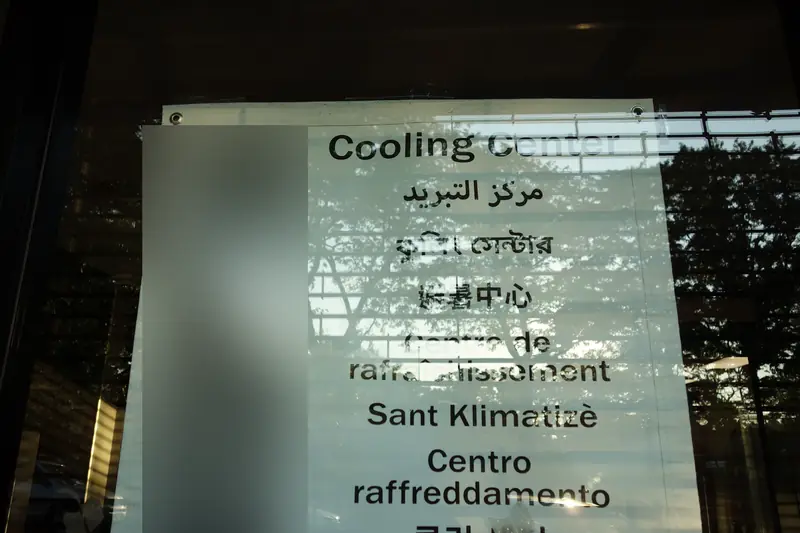 Heat safetyCooling centers when nothing keeps up
 SectionHeat safety at home
When does a mini-split pay off for one room?
A mini-split earns its cost where a room needs cooling every summer and the central system serves it badly, such as a bonus room over the garage or an addition with no ductwork; those are among the uses ENERGY STAR lists. It keeps the compressor outdoors, leaves the window free and, with no ducts, avoids the 20 to 30 percent of air that typical duct systems leak (ENERGY STAR).
It is not a quick fix. A contractor sizes it with a Manual J calculation, and an EPA 608-certified technician makes the refrigerant connections. New systems since January 1, 2025 use refrigerants with a global warming potential under 700, such as R-454B or R-32 (EPA). Split heat pumps must meet at least 14.3 SEER2 under 10 CFR 430.32. If you're unsure, call a licensed technician.

Why does the upstairs stay hot, and what helps?
The upstairs stays hot because it sits under an attic whose roof can top 160°F in hot climates (PNNL) and often at the end of long, leaky attic ducts. The fixes start above the ceiling: insulation, duct sealing and a radiant barrier, then dampers balanced by a technician.
A room unit upstairs comes after those, for the one room that still lags. Ceiling fans help only if you raise the thermostat to match; see ceiling fan direction.
 Room coolingKeeping the upstairs cool
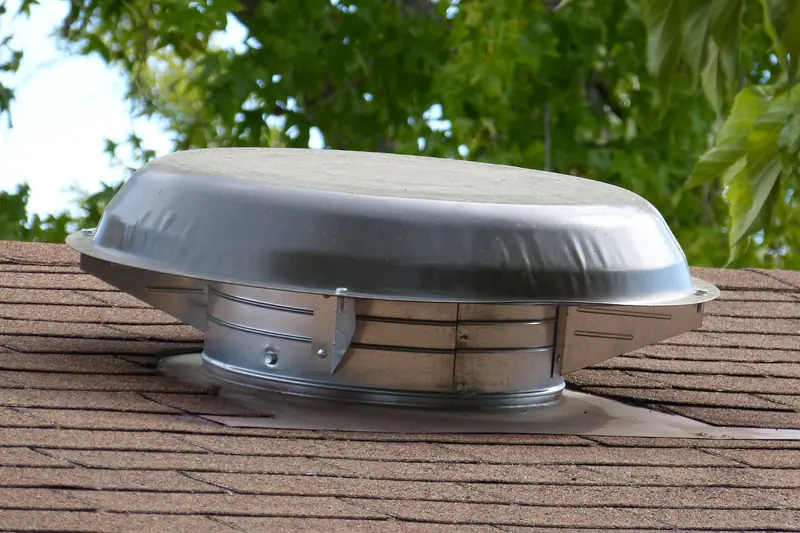 Moving airAttic ventilation in hot climates
 Shade and roofsRadiant barriers in the attic
One-room cooling figures
- 5,000 BTUSmallest size on the ENERGY STAR room chartENERGY STAR
- 4,000 BTUAdded when a unit cools a kitchenENERGY STAR
- 95°F / 83°FPortable AC test temperaturesDOE
- 90°FIndoor point above which fans can raise body heatCDC
How this page was put together
This hub draws on the ENERGY STAR room air conditioner, ductless and duct-sealing pages, DOE's 2016 portable air conditioner test procedure, EPA's Section 608 and HFC transition pages, 10 CFR 430.32, a DOE Building America / PNNL brief and the CDC's heat-health page, read in October 2026. Left out: prices, brand names, install costs for mini-splits (no primary source read) and any percentage gap between portable and window units, since none is published by a primary source.
More questions
What is the cheapest way to cool one room?
A correctly sized window unit set around 78°F, ENERGY STAR's suggested starting point, plus a fan and closed blinds is usually the cheapest setup. Fixing the window seal costs almost nothing. A ceiling fan only saves money if you raise the setting.
Can you cool one room without a window?
A mini-split needs only a small hole through an outside wall for its line set. A portable needs some opening for its exhaust hose, which can be a wall vent its manual approves. Venting into an attic or closet is not an option.
Is a window unit safe to leave running while you're out?
Units are made to cycle on their own thermostat, and many now have timers or app controls. Keep the cord plugged straight into a wall outlet and the area around the unit clear. Turn it up rather than off if pets stay home.
Should you cool one room or the whole house in a heat wave?
If central air is out or struggling, cooling one room well and spending the hottest hours there is a sound plan. Older adults and anyone with heat-sensitive health conditions should be in that room. If even one room can't stay cool, go to a cooling center.
Do room units help in humid heat?
Yes, they dry the air as they cool, as long as they are not oversized. ENERGY STAR suggests a low fan speed on humid days. A dehumidifier is for rooms that stay damp anyway.
How long does a window unit last?
No primary source gives a lifespan figure, so Swelter Almanac doesn't quote one. Cleaning the filter, keeping the unit level and covering or removing it for winter all help.