Section · 3 pages
Cooling in Humid Heat
Short answer
Cooling in humid heat means removing moisture as well as heat: EPA says keep indoor humidity below 60%, ideally 30% to 50%, and in Gulf Coast summers outside air rarely helps.
Swelter Almanac, checked against the sources · updated
This page links to PlumbingSupplyAndMore, owned by the people who run Swelter Almanac. About these links

The forecast in brief
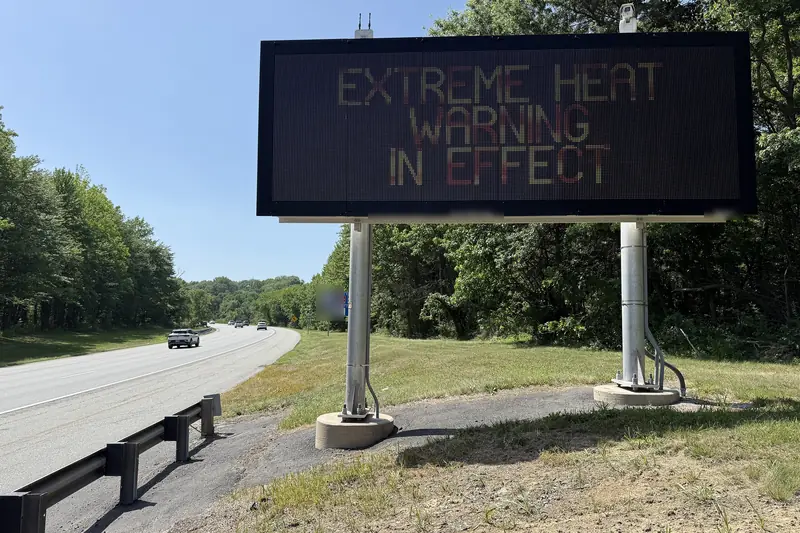
- At 90°F and 70% relative humidity, it feels like roughly 106°F by the National Weather Service formula, a reading NWS ranks as "Danger" (NWS).
- EPA's target for indoor air is below 60% relative humidity, ideally 30% to 50% (EPA).
- Leaving the A/C fan on ON instead of AUTO cut moisture removal by 44% in a Florida Solar Energy Center test (FSEC).
- ENERGY STAR suggests a whole-home dehumidifier for well-sealed, centrally air-conditioned homes that read above 55% humidity consistently (ENERGY STAR).
- Night ventilation in a Florida test house raised indoor humidity from 74% to 83% (FSEC).
- Dry any water-damaged area within 24 to 48 hours to head off mold (EPA).
Why does humid heat feel worse than the thermometer says?
Humid heat feels worse because the heat index, the "feels like" number, climbs fast with moisture. Using the NWS heat index equation, 90°F air at 70% humidity works out to about 106°F, which falls in the NWS "Danger" band of 103°F to 124°F. NWS adds that those values assume shade and light wind; full sun can raise them by up to 15°F.
So a Gulf Coast afternoon at 90°F can be riskier than a drier day at 100°F. Learn the warning signs of heat illness, and if anyone shows signs of heat stroke, call 911 and start cooling them while you wait.

What indoor humidity should you aim for?
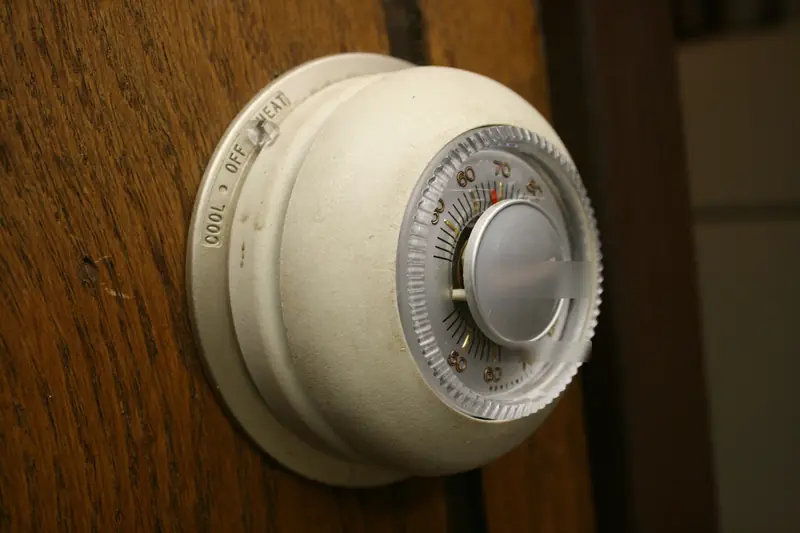
Aim for 30% to 50% indoors and keep it under 60%, the range EPA gives in its mold guidance. ENERGY STAR's dehumidifier page agrees on 30% to 50% and says anything above may promote mold. Building America's sizing guide uses 75°F and 50% relative humidity as the Manual J indoor design condition, so a well-designed system is meant to hold roughly that.
A cheap hygrometer tells you where you stand. ENERGY STAR suggests one for any dehumidifier that lacks a readout, so you can see the number instead of guessing from how the air feels.
Does the A/C remove enough moisture in humid heat?
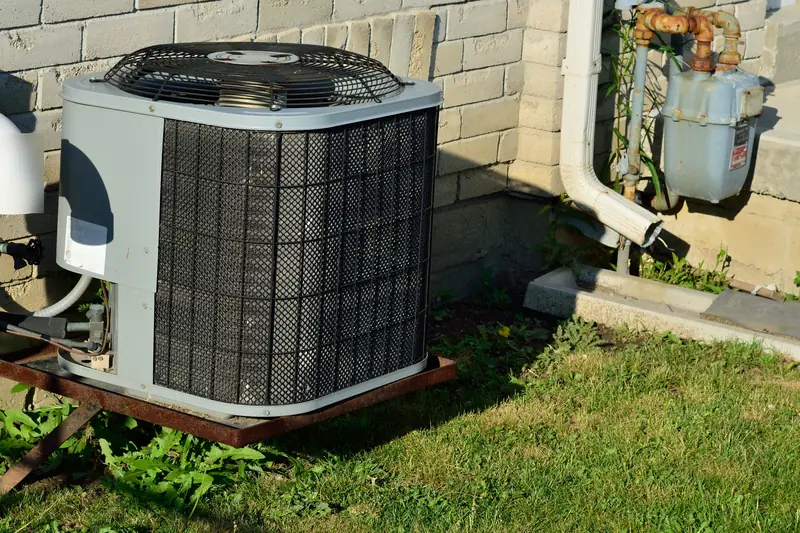
A correctly sized central A/C with the fan on AUTO removes a lot of moisture, but an oversized system or a fan left ON can leave the house damp. ENERGY STAR explains that a unit that is too large cools the room before it can pull out the humidity, and DOE Building America says short-cycling in humid climates leads to poor humidity control (Building America).
The fan setting matters too. FSEC found that with the fan ON, water on the cold coil evaporates back into the house between cycles: moisture removal fell 44% and indoor humidity rose compared with AUTO. Switching to AUTO costs nothing and is the first thing to try.
When does a dehumidifier make sense?
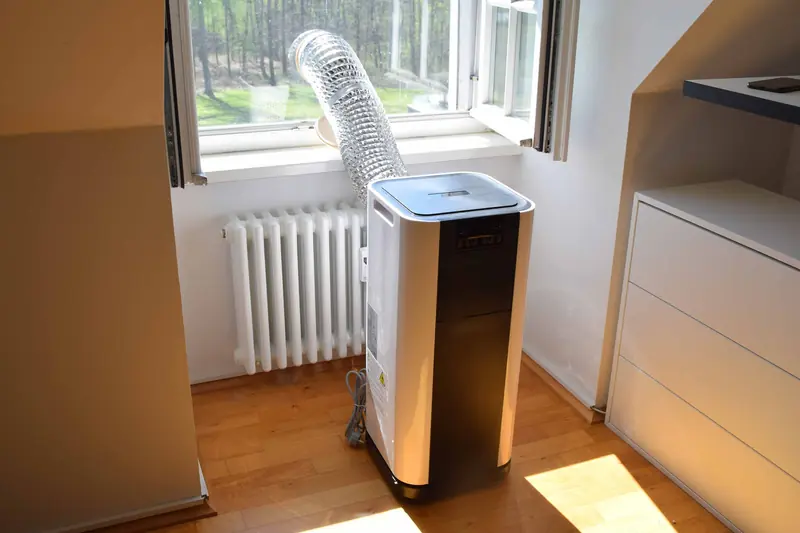
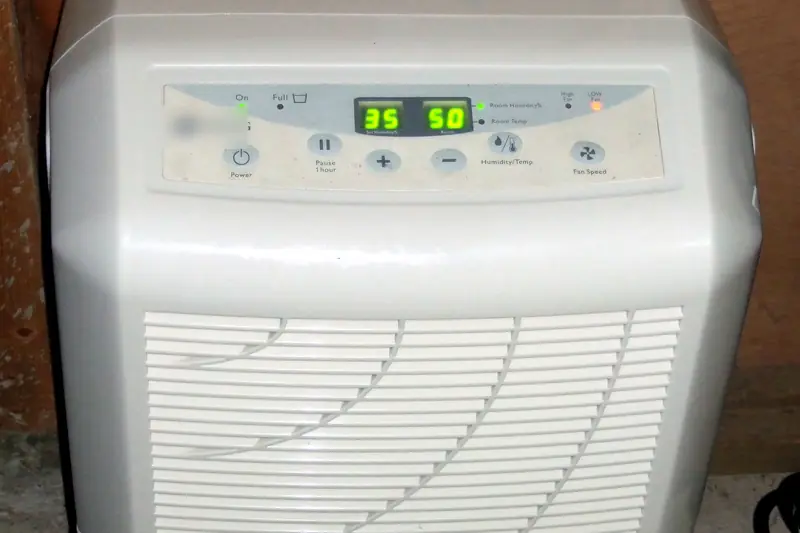
A dehumidifier makes sense when a room or the whole house stays above about 50% to 60% even with the A/C working properly, or in spaces the A/C barely reaches. For single rooms, ENERGY STAR sizes portables by how damp the space is, from 20 to 30 pints a day for a slightly damp small or medium room up to 50-plus for a wet large space. For whole houses, it points to well-sealed homes with central air that read above 55% consistently.
ENERGY STAR-certified models remove the same moisture with 20% less energy. Pint ratings changed under DOE's 2019 test method, so an old 50-pint unit is roughly a 30-pint unit on today's labels.
How do you keep condensate water out of trouble?
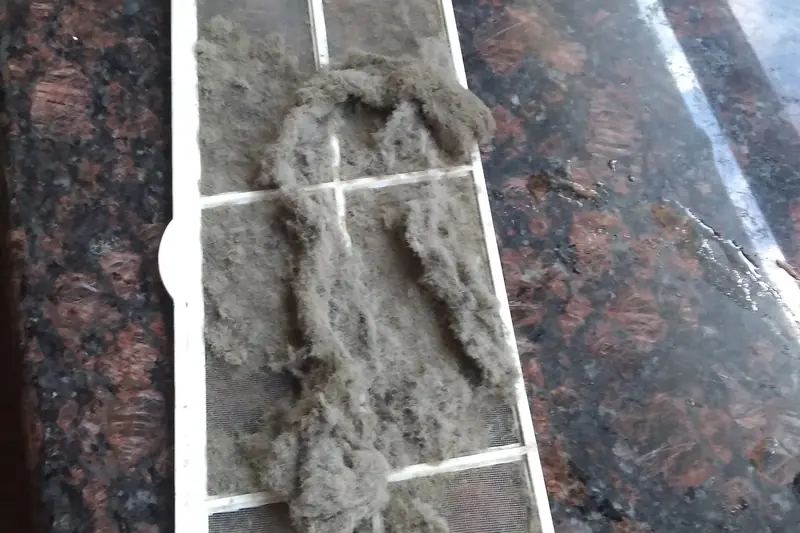
Give every drop a sure path out and a backstop if that path clogs. ENERGY STAR notes that a blocked condensate line can soak ceilings and floors and push indoor humidity up, and puts drain inspection on the yearly contractor checklist (maintenance checklist). North Carolina's fire marshal, interpreting the 2018 residential code, says an auxiliary drain pan must sit where it catches leakage from a blocked primary drain and be 3 inches larger than the unit in width and length (NC OSFM).
In attics over finished ceilings, a float switch in that secondary pan shuts the system off before the pan overflows. A technician fits it; magnetic float switch systems for secondary pans (PlumbingSupplyAndMore, owned by the people who run Swelter Almanac) show what the part looks like. If water ever reaches drywall or carpet, EPA says to dry it within 24 to 48 hours. Never bypass a float switch to keep the A/C running; it tripped for a reason. If you're unsure, call a licensed technician.
Why don't open windows help in humid heat?
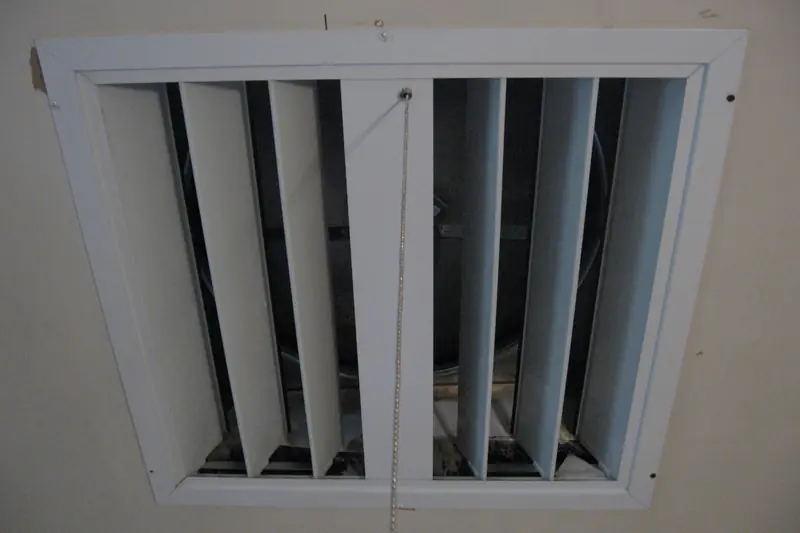
Summer night air in humid climates is cooler but wetter, so letting it in trades heat for moisture. An FSEC test house in Florida cooled 3°F to 6°F with fan-powered ventilation, but nighttime indoor humidity rose from 74% to 83% (FSEC). In Orlando, FSEC counted only 63 summer hours, about 2% of the time, below 78°F and under 70% outdoor humidity.
EPA's rule is simple: open windows to lower humidity only when it is not humid outside. Save whole-house fans and night flushing for spring and fall here; dry heat is where they shine all summer.
| Benchmark | Relative humidity | Source |
|---|---|---|
| Ideal indoor range | 30–50% | EPA; ENERGY STAR |
| Indoor upper limit | Below 60% | EPA |
| Manual J indoor design | 50% at 75°F | DOE Building America |
| Whole-home dehumidifier worth a look | Above 55% consistently | ENERGY STAR |
| Florida night ventilation test | 74% rising to 83% | FSEC |
Humid-heat numbers
- 106°Fheat index at 90°F and 70% humidityNational Weather Service equation
- 60%ceiling for indoor relative humidityEPA
- 44%drop in moisture removal with the fan ONFlorida Solar Energy Center
- 24–48 hrwindow to dry water-damaged areasEPA
How this page was put together
This hub uses EPA's mold and indoor air guides, ENERGY STAR's dehumidifier and maintenance pages, DOE Building America sizing documents, Florida Solar Energy Center studies, the NWS heat index equation and a North Carolina fire marshal code interpretation, all read in October 2026. Indoor humidity targets come from EPA; no single "safe" indoor temperature is given because no federal source sets one for homes.
More questions
Is 60% humidity indoors too high?
It is EPA's upper limit, so 60% is the line not to cross. The agency's ideal is 30% to 50%.
Why is my house humid when the A/C runs all day?
Common causes are an oversized system that short-cycles, a fan set to ON, or a clogged condensate drain. The A/C-not-dehumidifying page walks through each one.
Do ceiling fans lower humidity?
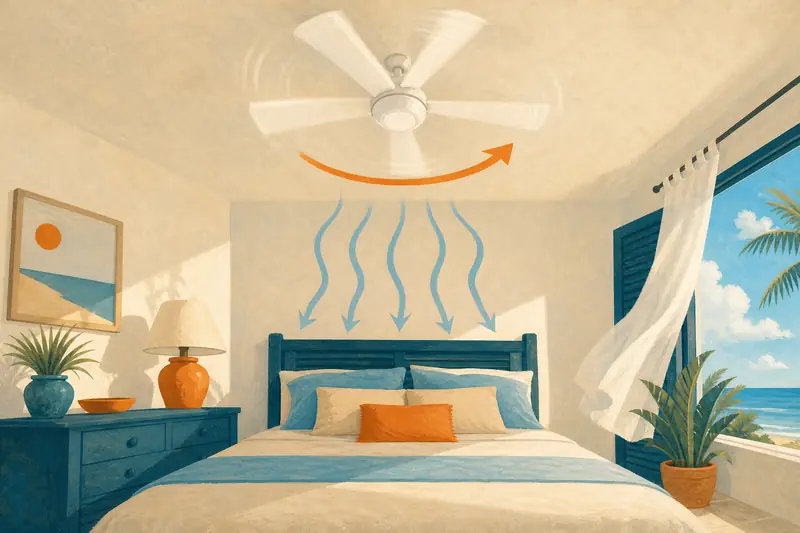
No. Fans move air over skin so you feel cooler, but they remove no moisture. Use them alongside the A/C and switch them off in empty rooms.
Should I run a dehumidifier and the A/C together?
They can work together where the A/C alone leaves rooms above about 50% to 60%. Keep doors and windows to the dehumidified space closed, as ENERGY STAR advises.
Can high indoor humidity cause mold?
Yes. ENERGY STAR says humidity above the 30% to 50% range may promote mold, and EPA ties mold growth to moisture left more than 24 to 48 hours.
Does a swamp cooler work on the Gulf Coast?
Rarely. Evaporative coolers need dry air, and humid Gulf Coast summers leave too little room for evaporation to cool much.
Back to the Swelter Almanac front page