Heat Wave Safety for Older Adults
Short answer
Heat wave safety for older adults rests on three things: air conditioning (at home or in a cooling center), plenty of water, and a visit from someone at least twice a day, as the CDC advises.
Swelter Almanac, checked against the sources · updated

Points on this page
The forecast in brief
- The CDC says people 65 and older are more prone to heat-related illness and adjust less well to sudden temperature changes.
- Diuretics, anticholinergic agents and some psychotropic drugs raise heat risk, per CDC guidance for clinicians; never stop one without a doctor.
- There is no federal indoor temperature limit for homes; the CDC's working line is 90°F, above which a fan can raise body temperature.
- Phoenix rentals with A/C must cool to 82°F, or at least 20 degrees below the outdoor temperature (Arizona courts).
- CDC asks caregivers for at least two visits a day during heat, with four questions to ask each time.
- Dial 2-1-1 or the local health department to find an air-conditioned shelter.
Older bodies handle heat differently, and many of the medicines older adults take make that worse. The good news is that the protective steps are simple and mostly free: cool air, steady drinking, and people who show up. This page follows the CDC's guidance for adults 65 and older and its clinician notes on medicines, with Arizona and Texas rules where they apply.
Why are older adults at higher risk in a heat wave?
Older adults are at higher risk in a heat wave because their bodies adjust more slowly and they are more likely to have conditions and prescriptions that blunt the response to heat. The CDC gives four reasons: people 65 and older are more prone to heat-related health problems, adjust less well than younger people to sudden temperature changes, more often have a chronic condition that changes the body's response to heat, and more often take prescriptions that affect temperature control or sweating.
Thirst is part of the problem. CDC tells older adults to drink more water than usual and not to wait until they feel thirsty. Anyone whose doctor limits fluids or prescribes water pills should ask that doctor how much to drink when it is hot.
Which medicines raise heat risk?
Diuretics, anticholinergic agents and some psychotropic medicines are the most commonly prescribed drugs that raise heat risk, according to CDC guidance written for clinicians. The same guidance says beta-blockers limit the widening of blood vessels near the skin, and that certain combinations, such as an ACE inhibitor or ARB taken with a diuretic, may significantly increase risk. Stimulants and antipsychotics can interfere with the brain's temperature control.
The rule for families is short: don't stop or change any medicine because of the heat. The CDC consumer page says to talk to a doctor first, and the clinician guidance warns against stopping a drug abruptly without a plan. A pharmacist can review a medication list for heat risks.
| Medicine or class | What the CDC says |
|---|---|
| Diuretics ("water pills") | Among the most commonly prescribed drugs that raise heat risk |
| Anticholinergic agents | Can impair sweating and so impair cooling |
| Beta-blockers | Reduce widening of blood vessels near the skin, so less heat escapes |
| ACE inhibitor or ARB with a diuretic | The combination may significantly increase risk |
| Insulin | May lose strength if left in the heat for long periods; store it in a refrigerator |
| Inhalers | Can burst in very hot places such as a car trunk |
Storage counts too. CDC tells clinicians to warn patients not to leave medicines in a car or anywhere that gets very hot. If the power goes out for more than a day, Ready.gov says to discard medicine that should be refrigerated unless its label says otherwise, so ask the pharmacy for a replacement plan before a long outage.
How hot is too hot indoors?
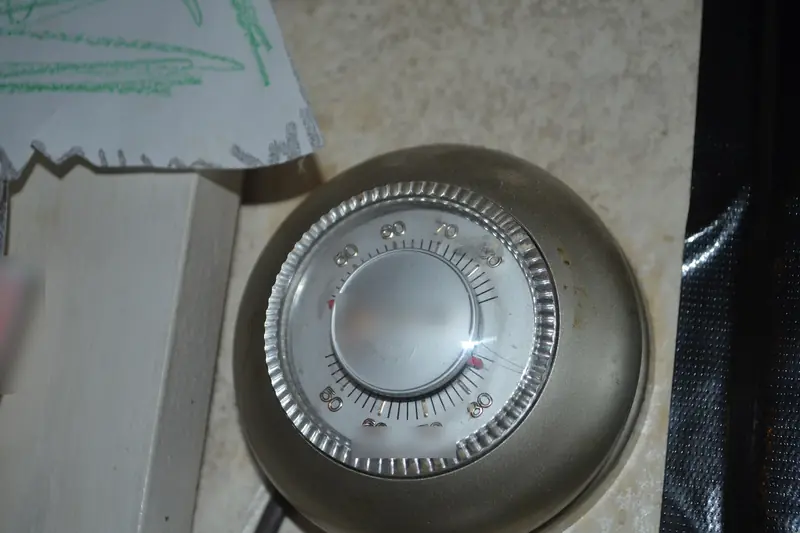
No federal agency sets a maximum safe indoor temperature for homes, but the CDC's line is 90°F: below it, fans can help; above it, a fan can raise body temperature and the person needs air conditioning. For an older adult, act well before that point, especially if the house stays hot overnight or they take one of the medicines above. The CDC HeatRisk Dashboard gives a zip-code forecast with recommended actions.
Some cities set rental minimums. The Arizona courts' legal help pages say a Phoenix landlord with installed A/C must keep the unit cooling to 82°F or at least 20 degrees below the outside temperature, or 86°F for a swamp cooler. Dallas's rental rules call for refrigerated air at least 15 degrees below the outside temperature and never above 85°F. Elsewhere, check your city's housing code. In Arizona, the courts' FAQ says the usual 10-day repair window for landlords shortens to five days when the problem threatens health or safety.
Electric bills shouldn't force the A/C off. Texas utility rule §25.483(j) from Texas utility regulators bars disconnection for nonpayment while an NWS heat advisory is in effect for the county. The A/C breakdown page covers what to do if the system quits, and cooling one room covers a backup window unit.
How should family and neighbors check in on older adults?
Visit in person at least twice a day during a heat wave, and use each visit to answer four questions the CDC lists: Are they drinking enough water? Do they have access to air conditioning? Do they know how to keep cool? Do they show signs of heat stress? A phone call helps, but a visit lets you feel the room and see the person.
Watch for muscle cramps, headaches, nausea or vomiting, which the CDC lists among the symptoms needing prompt medical care. Confusion, slurred speech or fainting are signs of heat stroke and mean calling 911 and cooling the person while you wait; the illness signs page has the full first aid steps. CDC also suggests an arrangement both ways: check on a friend or neighbor, and have someone do the same for you.
Numbers for caregivers
- 2 visitsMinimum daily check-ins during heatCDC
- 90°FIndoor temperature where fans stop being safeCDC
- 82°FPhoenix rental A/C cooling standardArizona Judicial Branch
- 1 dayOutage length after which refrigerated medicine is discarded unless the label differsReady.gov
Other CDC habits are worth posting on the fridge: don't cook with the stove or oven on hot days, wear loose, light-colored clothing, take cool showers or baths, and skip strenuous chores.
Where can older adults get cooling help?
Air-conditioned shelters, cooling centers and the local health department are the first places to turn, and dialing 2-1-1 connects to local services. The CDC's advice for homes without air conditioning is to contact the local health department or find an air-conditioned shelter nearby. In Clark County, Nevada, for example, the county opens cooling stations in recreation centers, libraries and community centers; the cooling centers page explains how to find one in Arizona, Texas and Florida.
Getting there can be the hard part. Maricopa County's 2026 Heat Relief Network offered transportation to and from heat relief sites based on eligibility. For the cost of running A/C, usa.gov says the federal Low Income Home Energy Assistance Program (LIHEAP) can help pay cooling bills or provide emergency help during an energy crisis.
How this page was put together
Based on the CDC page for adults 65 and older (June 2024), the CDC heat-health overview (July 2026), CDC's heat and medications guidance for clinicians (September 2025), Ready.gov's power outage page, the Arizona Judicial Branch legal information FAQ, Dallas code compliance rental FAQs, the Texas utility rule §25.483 and usa.gov, read in October 2026. The National Institute on Aging page could not be loaded that month and was not used. Medication details are summarized for awareness only; dosing changes belong to a doctor.
More questions
Should an older adult with no A/C sleep in a hot house?
Not during a heat wave if it can be avoided. NWS warning advice is to stay in air conditioning as much as possible, nights included, and the CDC says to contact the health department or find an air-conditioned shelter when a home has no A/C.
Is a fan enough for my parent's bedroom?
Only while the room stays below 90°F. Hotter than that, moving air can actually heat a person up, per the CDC, and its page for older adults says not to rely on a fan as the main cooling source in very hot weather.
Should someone on water pills drink extra water in the heat?
Ask the prescribing doctor. The CDC says people whose fluids are limited or who take water pills should ask how much to drink during hot weather, rather than guessing.
What if a parent refuses to leave a hot house?
Bring cooling to them where possible: a window unit in one room, cool showers, and the HeatRisk forecast to show the danger. If they show confusion, fainting or a very high temperature, call 911 regardless.
Can insulin go bad in a heat wave?
CDC notes that insulin, which should be refrigerated, may become less effective if left in the heat for long periods. Keep it out of hot cars and plan for power outages with the pharmacy.
Who can help with an electric bill in summer?
LIHEAP covers cooling as well as heating, according to usa.gov. Utilities also run payment plans, and Texas bars residential disconnections for nonpayment while an NWS heat advisory is in effect for the county.